Introduction
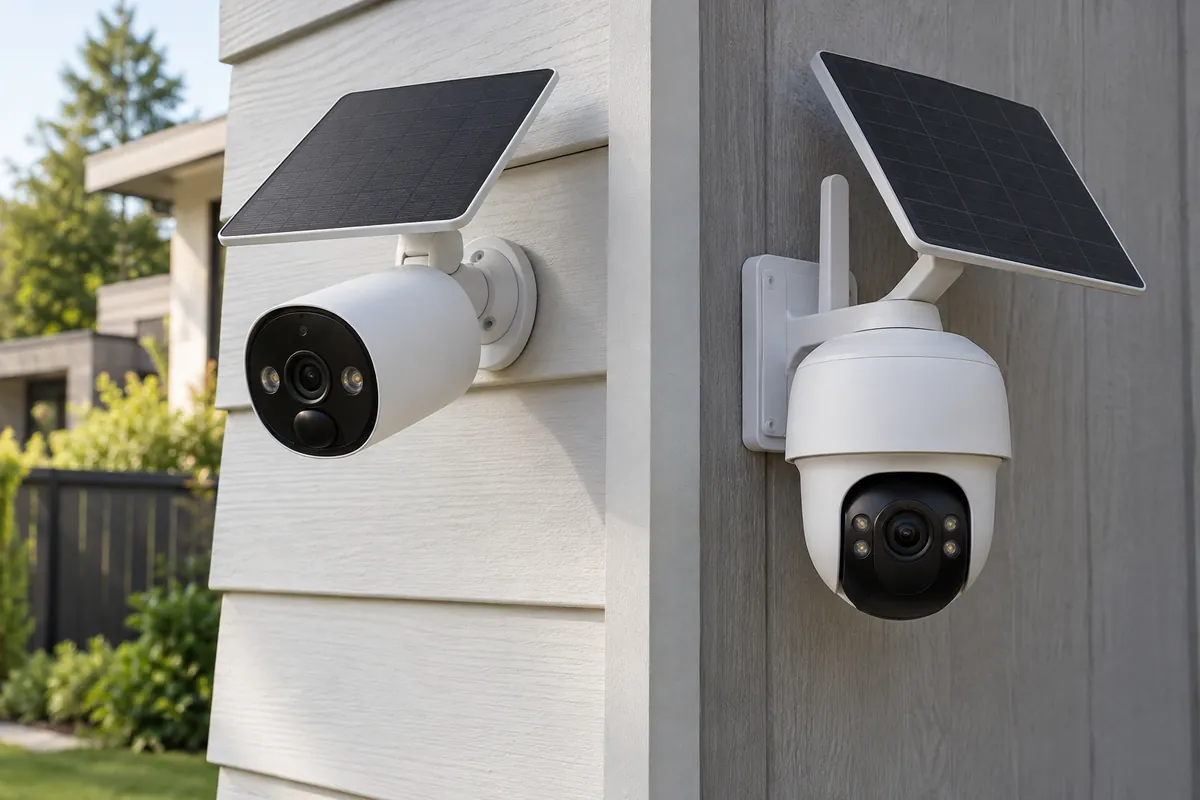
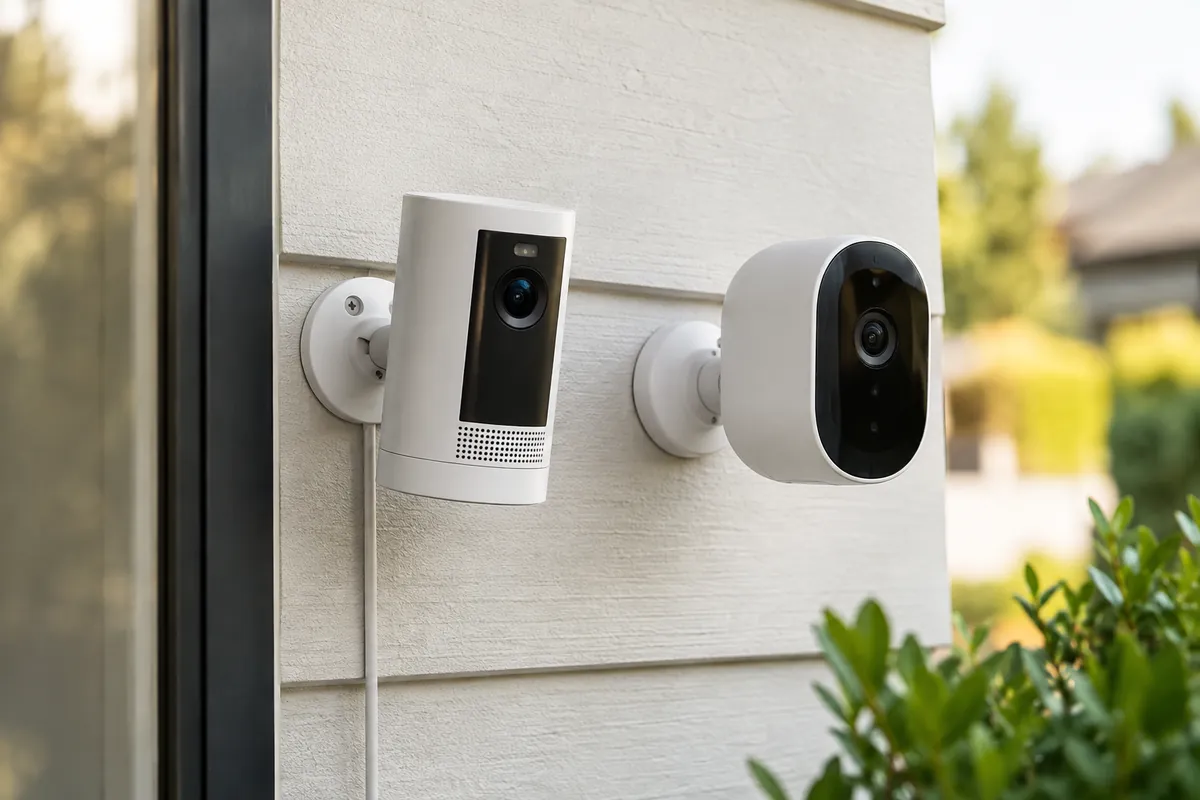
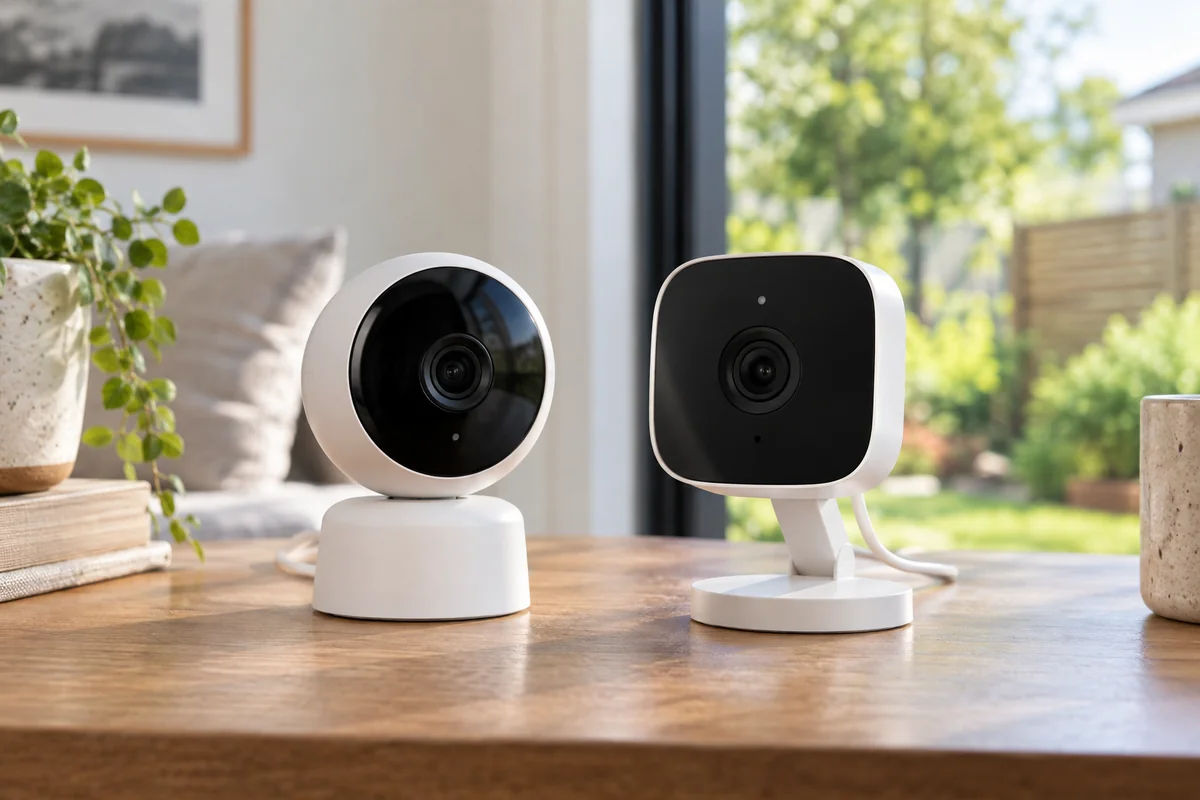
Aqara Camera G100 vs Tapo C120 is a useful comparison because both products pursue the same job with different hardware and ecosystem assumptions. These compact wired 2K cameras can work indoors or in protected outdoor placements, support local microSD recording, and integrate with major smart-home platforms. Aqara emphasizes Apple Home participation and a broad 140-degree diagonal view; Tapo emphasizes free on-device classifications, an IP66 body, and optional Tapo Care cloud history.
This buying guide uses current US manufacturer specifications and support material; it does not claim personal testing. Published battery, detection, suction, brightness, and coverage figures depend on settings and conditions. Confirm the exact model, included accessories, firmware, and subscription terms before ordering.
Quick Answer
Choose Aqara Camera G100 if Apple Home is central, a 140-degree diagonal view suits the room, or you already use Aqara automations. Choose Tapo C120 if stronger published weather protection, common person, vehicle, pet, and baby-related local alerts, invisible infrared options, and Tapo's app ecosystem are more useful. Both provide 2K recording and microSD support, but third-party platforms may reduce resolution or omit vendor features. Tapo is the more straightforward general-purpose value camera; Aqara is the more strategic choice for an Apple- or Aqara-centered smart home.
Comparison Table
| Feature | Aqara Camera G100 | Tapo C120 |
|---|---|---|
| Maximum video | 2304 × 1296 2K | 2560 × 1440 2K |
| Published field of view | 140° diagonal | About 120° diagonal, version dependent |
| Weather use | Indoor/outdoor design; confirm placement guidance | IP66 |
| Wi-Fi | 2.4 GHz Wi-Fi 6 | 2.4 GHz |
| Local storage | microSD up to listed 512 GB | microSD up to listed 512 GB |
| Night options | Color and infrared night modes | Color mode and invisible infrared options |
| Platforms | Apple Home, Alexa, Google | Alexa, Google; version/platform support varies |
| Cloud | Aqara cloud options by region | Optional Tapo Care |
Design / Hardware
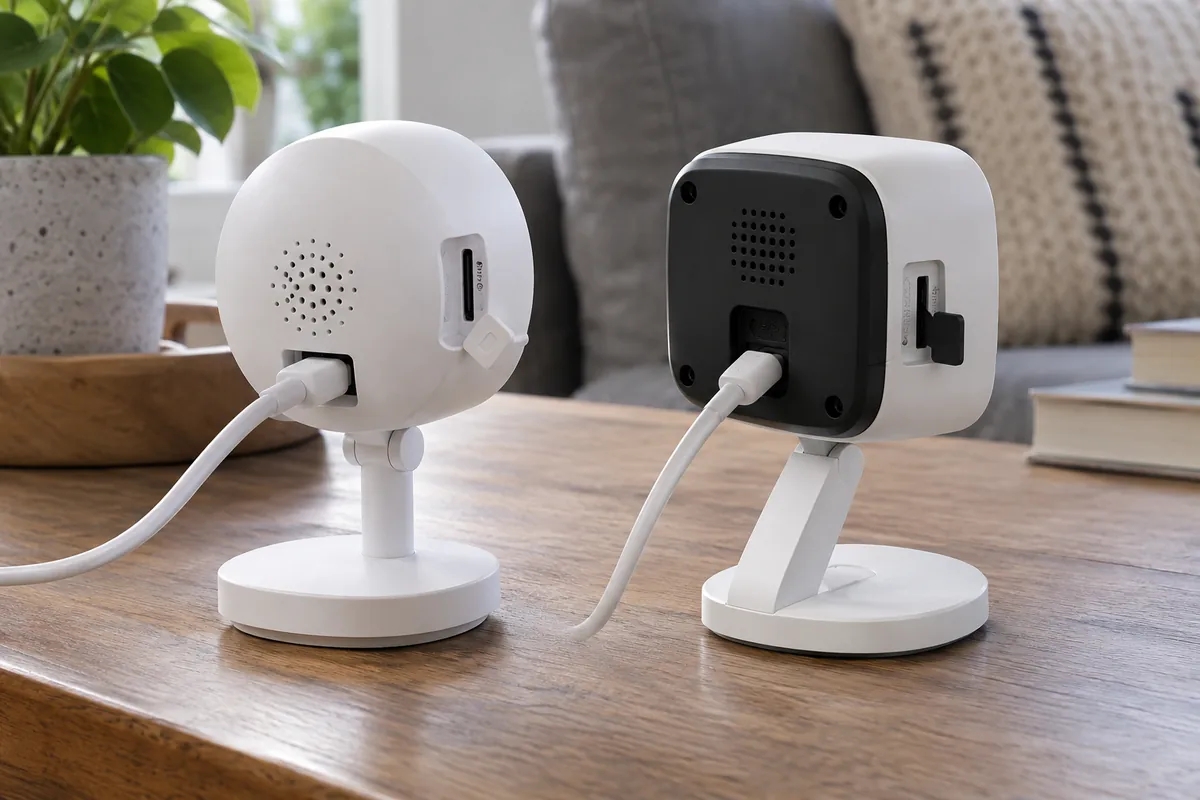
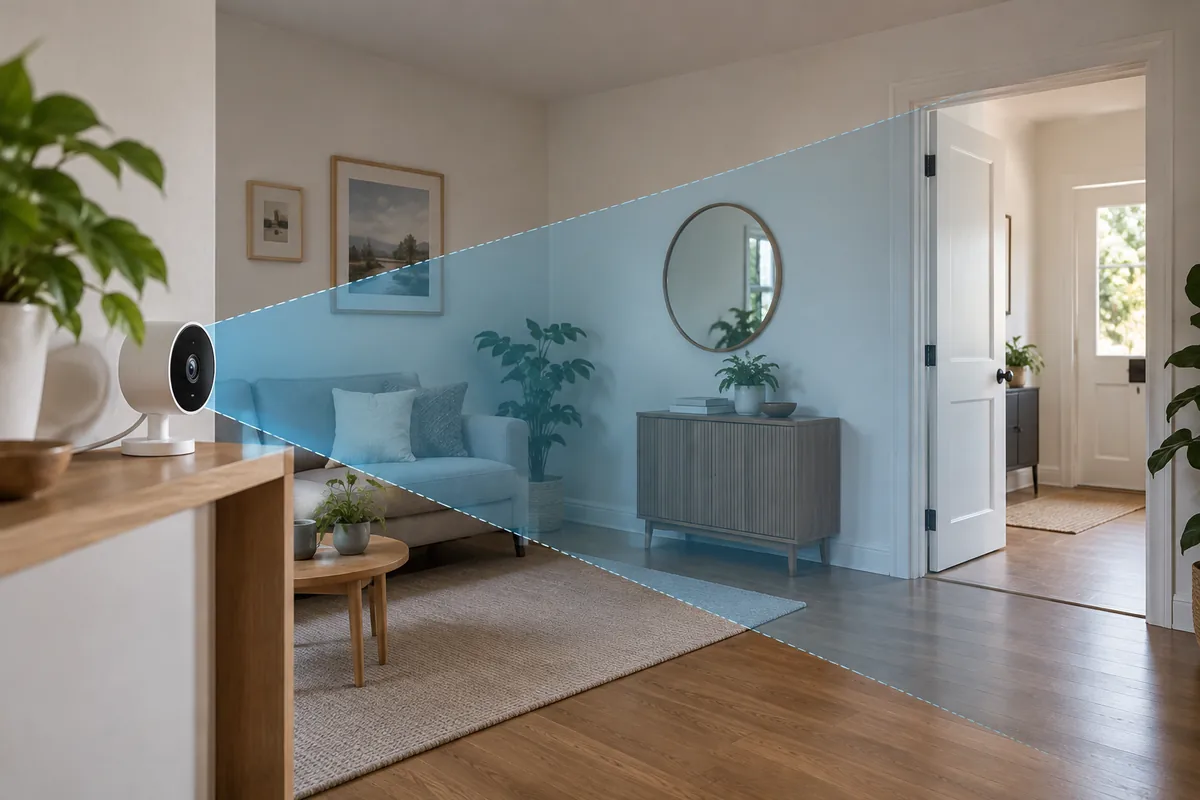
Aqara G100 and Tapo C120 are small wired cameras rather than battery products, so they can respond frequently without charge management. The tradeoff is cable planning. Route low-voltage power without creating a water path, pinch point, or easy unplug location. Aqara's broad 140-degree diagonal lens can cover more of a small room from a corner, while Tapo's framing is somewhat narrower and specifications can differ between hardware versions. To compare more Tapo options, see our Tapo C460 KIT vs Reolink Argus PT Ultra guide. Tapo publishes IP66 protection, making its exterior case clearer on paper, but the power connection and adapter still need an installation consistent with the instructions. Both accept large microSD cards, and both should be mounted where the card and reset controls are not casually reachable.
Performance
The two 2K resolutions are close enough that placement matters more than pixel count. A face that fills only a tiny part of either frame will remain difficult to identify. Aqara's wider view is useful in a compact room but can make distant subjects smaller. Tapo's somewhat narrower scene can focus on a door or crib area. Both offer color-oriented night modes and infrared, but color requires useful light or a spotlight. Tapo's invisible-infrared option can be less distracting indoors, especially in a nursery, though it does not improve detail by itself. Window reflections, backlighting, rain, insects, and fast movement affect both. Clean the lens and test downloaded clips, not only the live preview.
Smart Features
Tapo C120 advertises local recognition for people, vehicles, pets, and selected sound or baby-related events without requiring Tapo Care for those basic classifications. Aqara offers motion and intelligence features whose exact mix can depend on region, firmware, and service, while its larger advantage is participation in Aqara automations. A camera alert should not be treated as a life-safety baby monitor, fire detector, or guaranteed intrusion sensor. Tune zones and sensitivity, keep essential dedicated safety devices, and confirm which functions continue when the internet is unavailable.
App Experience
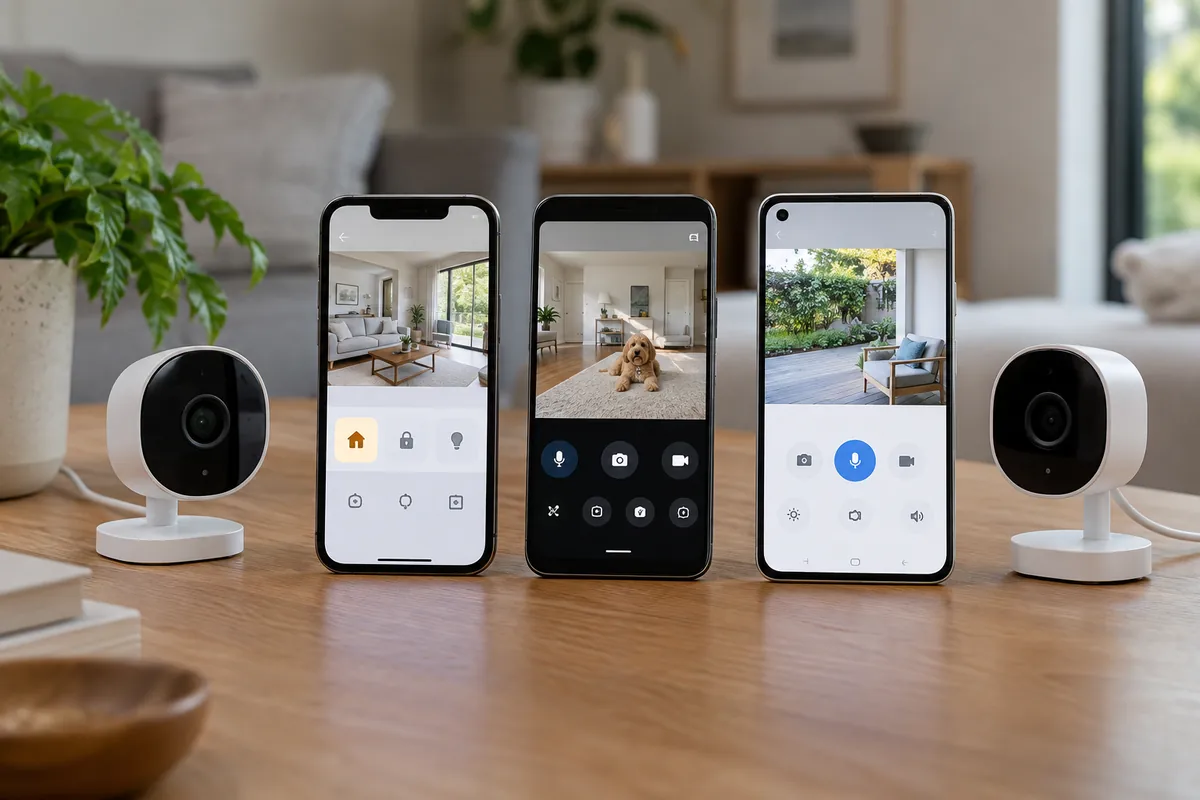
Aqara Home is strongest when camera events trigger Aqara lights, hubs, sensors, or scenes. Apple Home can provide another viewing and automation layer, but resolution, recording, and detection behavior follow Apple's platform requirements rather than mirroring every Aqara feature. Tapo's app keeps local playback, detection categories, zones, two-way talk, lighting, siren, and Tapo Care in one interface. On either product, test clip export, timeline speed, shared-user roles, notification delay, and card overwrite behavior before the return period ends.
Compatibility / Ecosystem
Aqara is the clear candidate for a household intentionally building around Apple Home or existing Aqara sensors. Tapo works with common voice displays and fits a broad Tapo device collection, while some hardware revisions may add platforms not present on earlier versions. For a different Aqara matchup, take a look at Aqara Camera Hub G5 Pro vs Google Nest Cam Outdoor. Do not assume that a logo exposes 2K video, microSD playback, two-way talk, siren, or every detection category in the third-party app. The vendor app remains necessary for firmware, storage management, and advanced configuration.
Privacy / Security
Local cards allow both cameras to record without sending every clip to paid cloud history, but remote access still uses accounts and network services. Use unique passwords, multifactor authentication where offered, and individual household invitations. Turn off microphones, cloud services, or AI categories that are not needed. Indoor cameras deserve special care: place them away from private routines, use physical power or privacy controls when appropriate, and tell household members where recording occurs. Cards can fail or be stolen, so export important footage and verify overwrite behavior.
Key Differences
Apple Home versus broad local detections
Aqara's strongest reason to buy is its Apple Home and Aqara automation fit. Tapo's strongest reason is a wide set of on-device classifications in its own app. Buyers should choose the daily control platform before comparing minor hardware details.
Weather specification
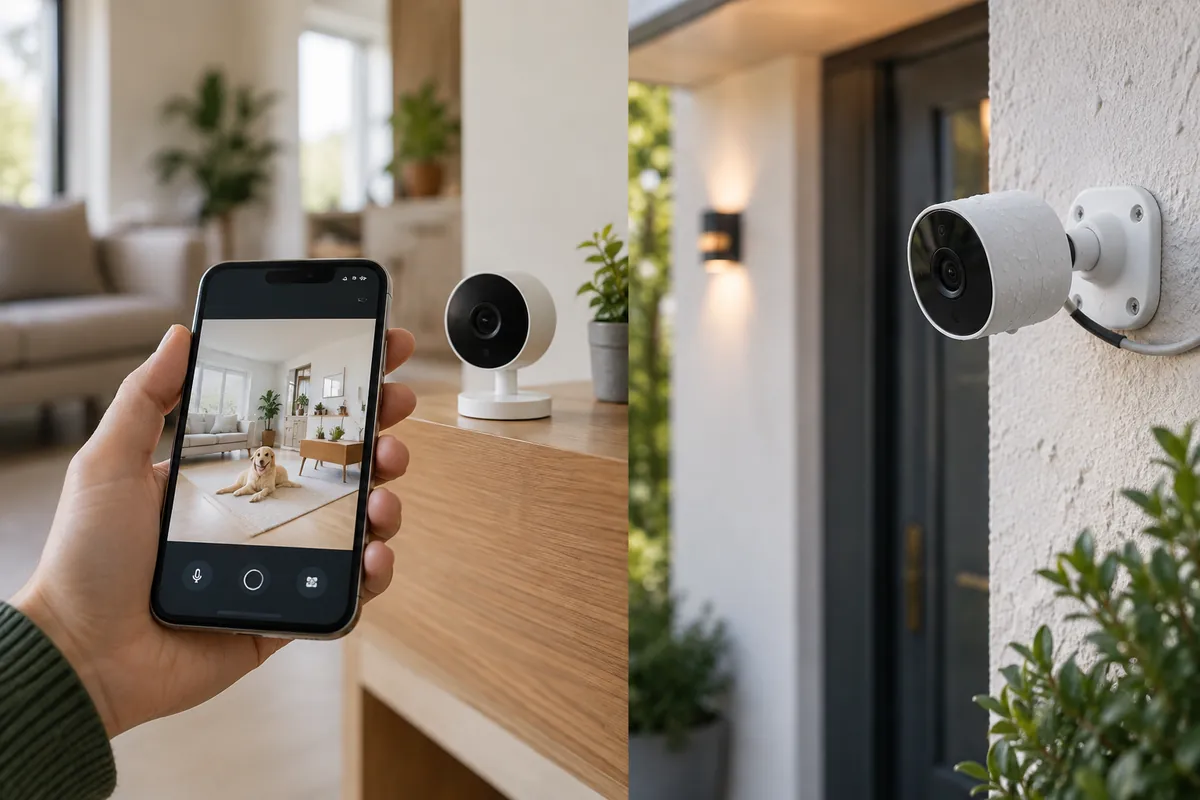
Tapo publishes an IP66 enclosure rating. Aqara describes indoor/outdoor use, but buyers should follow its exact exposure and power guidance. In both cases, the adapter, outlet, connector, and cable route may be less weather-tolerant than the camera housing.
Framing
Aqara's 140-degree diagonal view covers more from one corner. Tapo's narrower framing can devote more of the image to a door or pathway. Wide coverage is helpful only when the important subject remains large enough in the frame.
Night discretion
Tapo's invisible-infrared option can avoid a visible red glow in a dark room. Aqara offers color and infrared modes. Neither approach turns darkness into daylight; controlled ambient light and sensible distance produce more useful detail.
Who Aqara Camera G100 Is Best For
Aqara Camera G100 is best suited to buyers with these priorities:
- Apple Home households that want a compatible compact camera.
- Existing Aqara homes using sensors, hubs, and automations.
- Small rooms that benefit from a broad 140-degree view.
- Users willing to confirm outdoor placement guidance carefully.
Who Tapo C120 Is Best For
Tapo C120 is the better match in these situations:
- Buyers prioritizing free local detection categories.
- Outdoor placements where an IP66 housing is reassuring.
- Nurseries or indoor rooms that benefit from invisible infrared.
- Existing Tapo households that want one app and optional cloud history.
FAQ
Can both cameras record to microSD without a subscription?
Yes, both support compatible microSD cards up to their listed capacities. Our Tapo C425 vs Arlo Pro 5S 2K comparison offers another perspective on Tapo products. Card recording avoids a mandatory cloud plan, but remote access, advanced services, overwrite behavior, and platform features still depend on setup and firmware.
Does Aqara G100 record 2K in Apple Home?
Do not assume the vendor's maximum resolution transfers unchanged. Apple Home video behavior follows Apple's current platform limits and account requirements. Use Aqara Home when you need vendor-specific settings or local-card management.
Can Tapo C120 replace a dedicated baby monitor?
It can provide video, audio, and selected alerts, but it should not be the only system for a critical caregiving need. Network outages, notification settings, phone sleep modes, and classification errors can delay an alert.
Which camera is better outdoors?
Tapo's IP66 rating gives it the clearer enclosure specification. Still protect the power connection and adapter. Aqara supports outdoor use according to its guidance, so verify exposure limits and mounting instructions for the exact US package.
Do the cameras work if the internet is down?
Local recording may continue when the local network and power remain available, but remote viewing, push notifications, cloud clips, platform integrations, and some intelligence can be unavailable. Test outage behavior rather than assuming it.
Is 2K enough for security evidence?
It can be useful at appropriate range, but resolution alone does not guarantee identification. Mount for the actual approach, avoid strong backlight, keep the lens clean, and preserve original exported clips when an event matters.
Final Summary
Aqara Camera G100 and Tapo C120 both deliver affordable 2K monitoring, local storage, two-way audio, and indoor-outdoor flexibility, but they belong to different smart-home strategies. Choose Aqara when Apple Home or Aqara automations are central and its wider view fits the room. Choose Tapo for clearer IP66 positioning, extensive local alert categories, discreet infrared, and the Tapo app. The best result comes from a well-planned power route, useful subject distance, secure account, and tested local playback. Neither cloud integration nor an AI label compensates for a camera aimed at the wrong part of the scene.