Introduction
Tapo C460 KIT vs Reolink Argus PT Ultra is a useful comparison because both products pursue the same job with different hardware and ecosystem assumptions. Both are 4K battery cameras that can use solar charging and local microSD storage without making a cloud plan mandatory. Tapo uses a fixed view with a compact kit and dual-band Wi-Fi; Reolink adds motorized pan and tilt to cover a larger area from one mount.
This buying guide uses current US manufacturer specifications and support material; it does not claim personal testing. Published battery, detection, suction, brightness, and coverage figures depend on settings and conditions. Confirm the exact model, included accessories, firmware, and subscription terms before ordering.
Quick Answer
Choose Tapo C460 KIT if you want a fixed 4K view, included solar charging, dual-band Wi-Fi, encrypted microSD storage, and common person, vehicle, and pet classifications without a required subscription. Choose Reolink Argus PT Ultra if motorized 4K pan-and-tilt coverage, preset viewpoints, tracking-style movement, and the Reolink local-storage ecosystem solve a wider-yard problem. A fixed camera is easier to aim consistently at one choke point; a moving camera covers more directions but can only look one way at a time. Neither replaces multiple fixed views where simultaneous evidence matters.
Comparison Table
| Feature | Tapo C460 KIT | Reolink Argus PT Ultra |
|---|---|---|
| Maximum resolution | 4K | 4K |
| View movement | Fixed lens and adjustable mount | Motorized pan and tilt |
| Power | Rechargeable battery and solar panel in kit | Rechargeable battery; solar panel by package |
| Wi-Fi | 2.4 and 5 GHz | 2.4 and 5 GHz on listed model |
| Local storage | Encrypted microSD, capacity subject to model support | microSD and compatible Reolink hub options |
| Detection | Person, vehicle, pet and related local alerts | Person, vehicle, pet and motion alerts |
| Night viewing | Color night vision and infrared options | Color spotlight and infrared options |
| Best coverage | One important fixed approach | Broad area with several viewpoints |
Design / Hardware
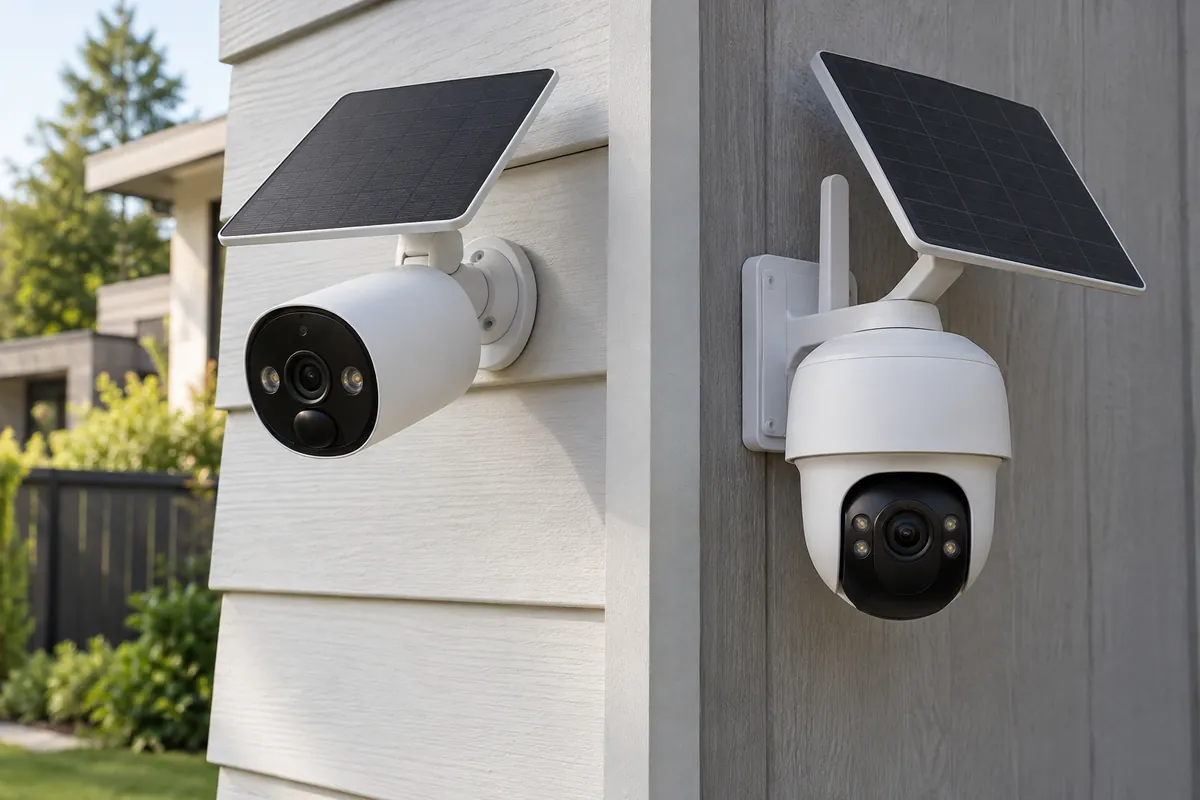
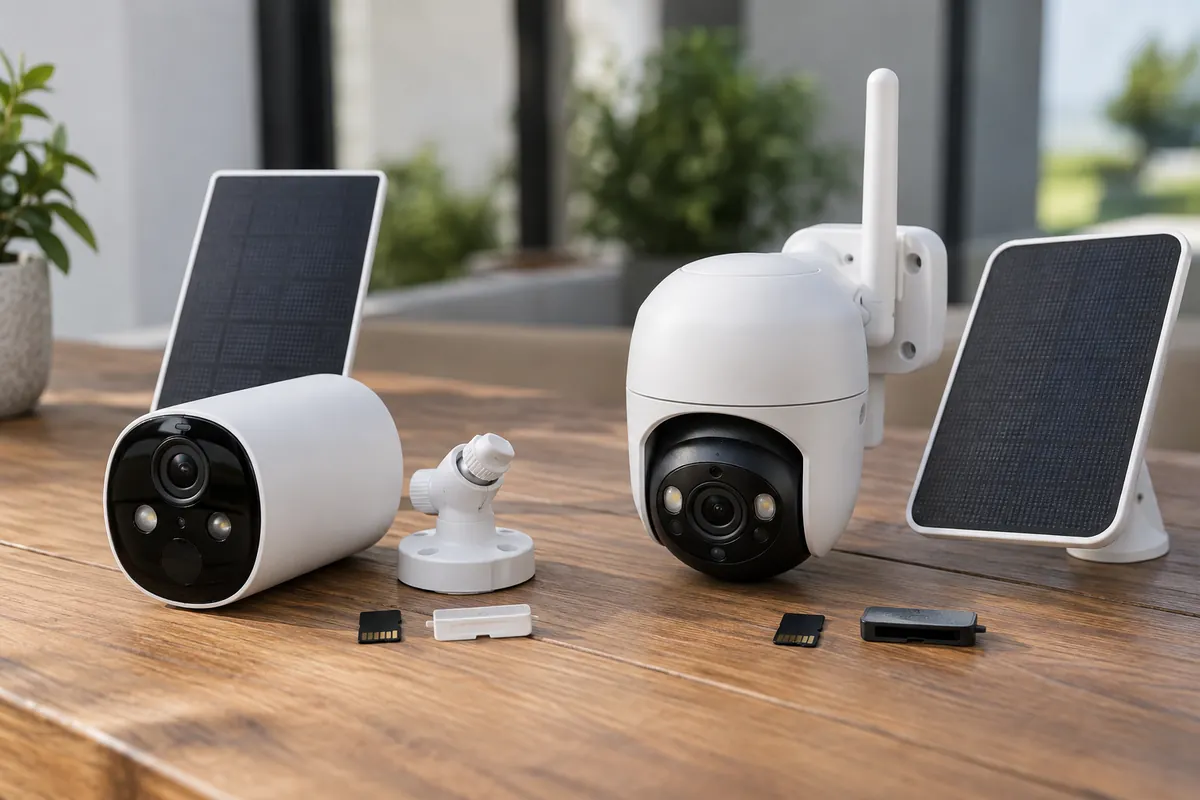
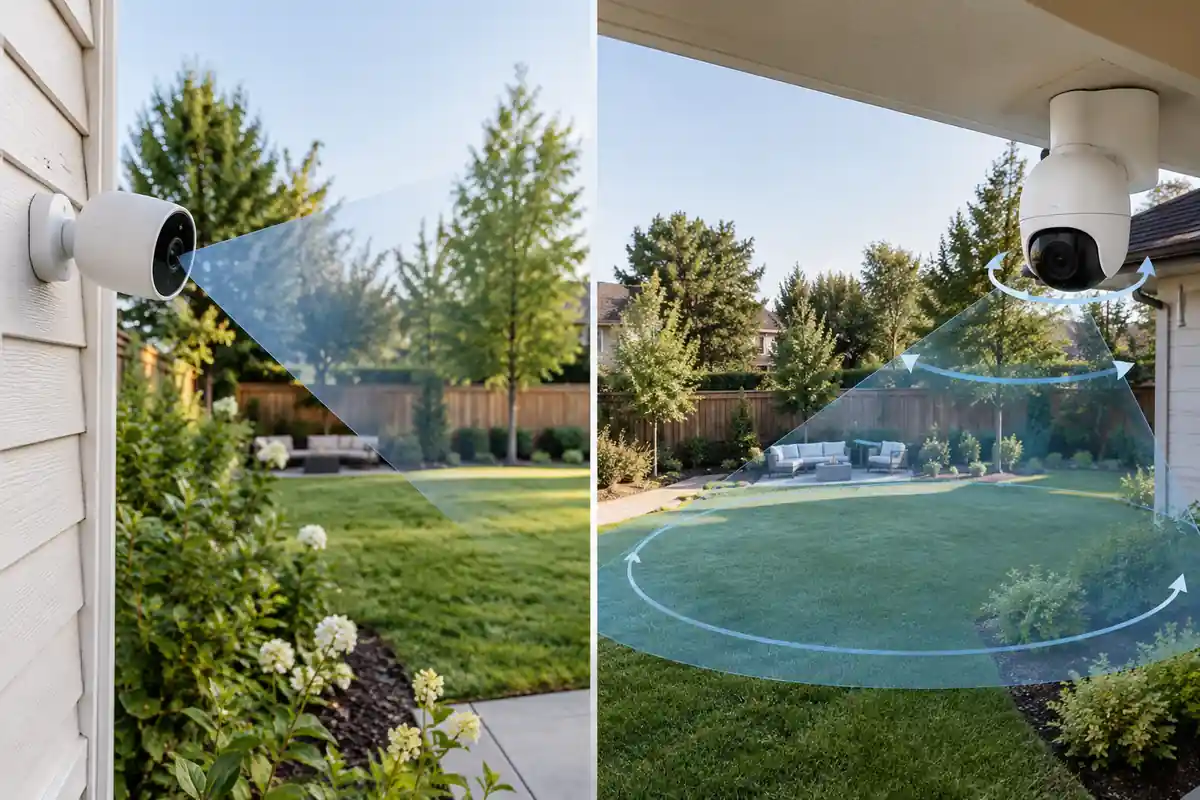
Tapo C460 is a compact battery camera on an adjustable mount, paired in the KIT with a solar panel. The fixed lens stays pointed at the selected approach, which makes framing predictable and avoids motors that consume energy. Reolink Argus PT Ultra has a larger motorized head that rotates horizontally and tilts vertically. It needs clear space around the housing and a mount rigid enough to prevent vibration while moving. Both require weather-aware cable routing when connected to a panel. To compare more Reolink options, see our eufyCam S3 Pro vs Reolink Argus 4 Pro guide. Install the panel where it receives useful sun, not merely beside the camera under a shaded eave. The camera should be reachable for occasional charging, card service, lens cleaning, and reset access without requiring an unsafe ladder position.
Performance
Both advertise 4K capture, yet identification still depends on distance, light, motion, compression, and how much of the frame the subject occupies. Tapo can digitally zoom a recorded fixed scene, while Reolink can physically turn to a preset or detected direction before recording. Motorized coverage is valuable across a driveway or yard, but the lens may be facing elsewhere when an event begins. A fixed Tapo aimed through a choke point cannot explore the side yard, yet it consistently watches that path. Solar input is supplemental: repeated live view, frequent events, weak Wi-Fi, tracking movement, spotlights, and winter temperatures can consume more than a panel replaces. Battery estimates should be treated as planning ranges rather than promises.
Smart Features
Tapo provides on-device classifications for people, vehicles, and pets without requiring a paid plan for those basic categories, along with activity zones and tamper-related alerts. Reolink likewise supports local smart detection and can move through preset points or follow compatible subjects depending on settings. Classification can reduce irrelevant notifications, but shadows, insects, branches, headlight changes, and partial views still cause errors. Build zones around the route a person must cross and tune them for several days. For Reolink, decide whether automatic movement is worth the risk of leaving the primary doorway out of frame; a fixed guard point may be more dependable.
App Experience
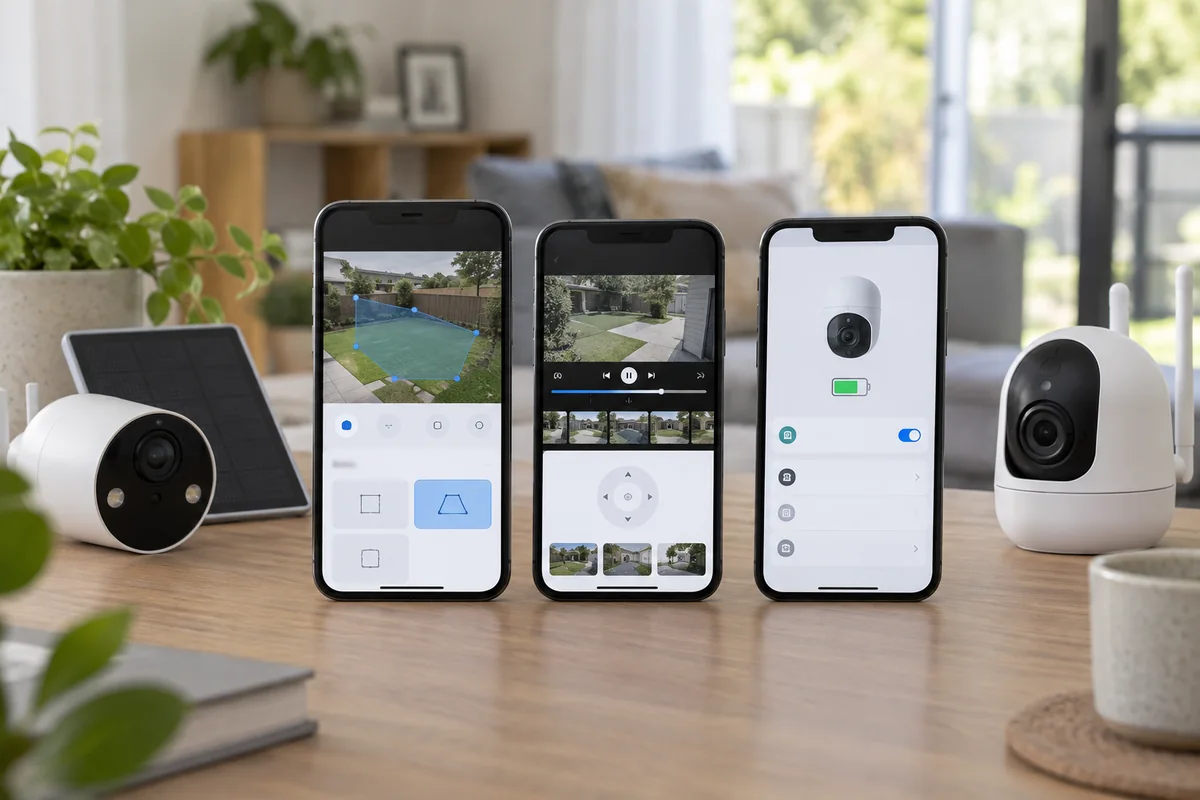
Tapo's app combines live view, clips, zones, sensitivity, spotlights, siren, battery status, and Tapo Care options with other Tapo devices. Reolink's app exposes pan/tilt control, presets, playback, local-card management, detection settings, and compatible hub features. Scrubbing long local timelines from a battery camera is different from reviewing short cloud events, so test the retrieval workflow you actually need. Export a sample clip and confirm that timestamps, sound, and resolution survive. Shared users should receive their own permissions rather than the primary password.
Compatibility / Ecosystem
Tapo works with common voice platforms for live-view and basic routines, while Reolink offers its own app, compatible hubs, and selected smart-display integrations. Neither ecosystem guarantees that third-party platforms expose 4K resolution, local playback, pan/tilt controls, or every alert type. For a different Reolink matchup, take a look at Reolink Altas PT Ultra vs eufy SoloCam S340. Local-first buyers should confirm card capacity, hub compatibility, overwrite behavior, and what happens when the internet is down. Cloud service remains optional but can provide off-device history if the camera and card are stolen.
Privacy / Security
Local microSD storage avoids uploading every clip to a mandatory subscription, but the camera still uses an account for remote access and updates. Encrypt cards where supported, protect accounts with unique passwords and multifactor authentication when available, and keep firmware current. A card mounted outdoors can disappear with the camera; important recordings need an off-camera copy or compatible hub strategy. Pan-and-tilt raises an additional privacy issue because the lens can be directed beyond the intended property line. Use limits, presets, and privacy masks, and avoid viewing neighbors' private spaces.
Key Differences
Fixed view versus motorized coverage
Tapo consistently watches one framed zone. Reolink can survey and follow action across a larger area, but it cannot record every direction at once. For a doorway, fixed may be safer; for an open yard, pan and tilt may reduce blind spots.
Solar package
C460 KIT is presented as a camera-and-panel package, simplifying the initial shopping list. Argus PT Ultra bundles vary, so confirm whether a compatible panel is included. In both cases, panel cable length and sun exposure determine placement.
Local-storage architecture
Tapo emphasizes encrypted microSD in the camera and optional cloud service. Reolink supports microSD plus compatible hub paths. A hub can move evidence indoors, while an in-camera card is simpler and cheaper. Neither approach removes the need to export important clips.
Energy use
Reolink's motors and tracking can add consumption, while Tapo's fixed body avoids that load. Event traffic, spotlights, signal quality, and live view usually have a larger impact than one feature, so monitor charge over the first month.
Who Tapo C460 KIT Is Best For
Tapo C460 KIT is best suited to buyers with these priorities:
- A driveway, gate, or door with one well-defined approach.
- Buyers who want the camera and solar panel in one kit.
- Tapo households that value one app and local classifications.
- Users who prefer a fixed frame and fewer moving parts.
Who Reolink Argus PT Ultra Is Best For
Reolink Argus PT Ultra is the better match in these situations:
- Broad yards where several preset directions matter.
- Buyers who want motorized pan and tilt with 4K recording.
- Existing Reolink users considering a compatible hub.
- Locations where manual app-controlled viewing is genuinely useful.
FAQ
Does 4K guarantee readable faces or license plates?
No. Distance, shutter behavior, motion, lighting, angle, compression, and lens cleanliness matter. Our Aqara Camera G100 vs Tapo C120 comparison offers another perspective on Tapo products. Aim the camera so a subject crosses a useful part of the frame and review sample clips in daytime and at night.
Can both save video without a subscription?
Yes, both support local microSD recording, subject to compatible card and capacity requirements. Optional cloud plans add off-device storage or features. Important clips should still be exported because an outdoor card can be lost with the camera.
Will the solar panel keep either battery full?
Not necessarily. Shade, sun angle, temperature, dirt, high event volume, spotlights, tracking, and live view can exceed solar input. Treat the panel as maintenance reduction and keep a safe charging plan.
Is pan and tilt better than a fixed camera?
It is better for looking around a wide property, but the camera sees only its current direction. A fixed camera is often more reliable at a critical choke point. High-security layouts may use several fixed cameras instead of one moving lens.
Do smart alerts work without cloud subscriptions?
Both brands advertise local person, vehicle, and pet detection on these models. Exact alert types and firmware behavior can change, so verify the current US feature table and test categories during the return period.
Can either camera record 24/7?
These battery-and-solar products are designed mainly around events. Continuous recording would create major power and storage demands. Choose wired hardware explicitly documented for uninterrupted recording if that is a firm requirement.
Final Summary
Tapo C460 KIT is the cleaner choice for one critical view: it combines 4K capture, a solar panel, dual-band connectivity, local storage, and useful classifications in a fixed camera. Reolink Argus PT Ultra earns its place when motorized coverage and several viewpoints are more valuable than a permanently framed choke point. Neither wins simply because it says 4K. Plan the mount around subject distance and light, confirm solar exposure, decide where evidence survives theft, and test notifications at the edge of the zone. Choose Tapo for predictable framing and a complete kit; choose Reolink for active coverage across a broader property.